






INTERVIEW / MUSTAFA AKTAŞ
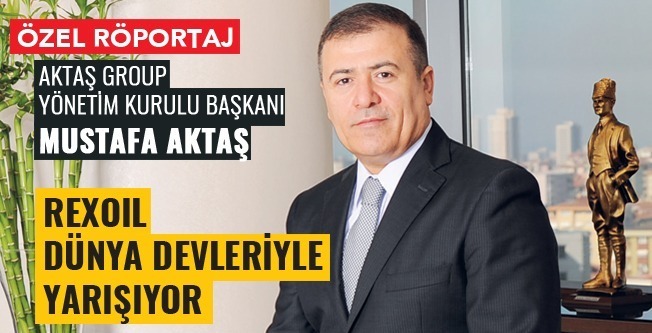
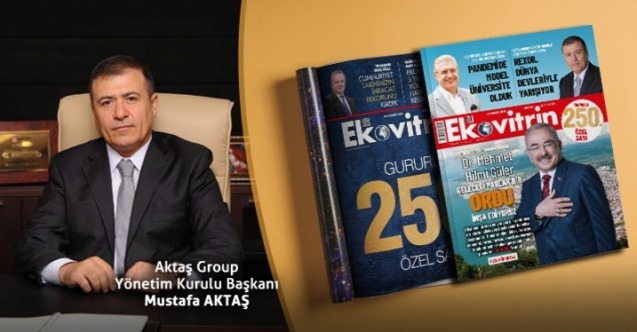
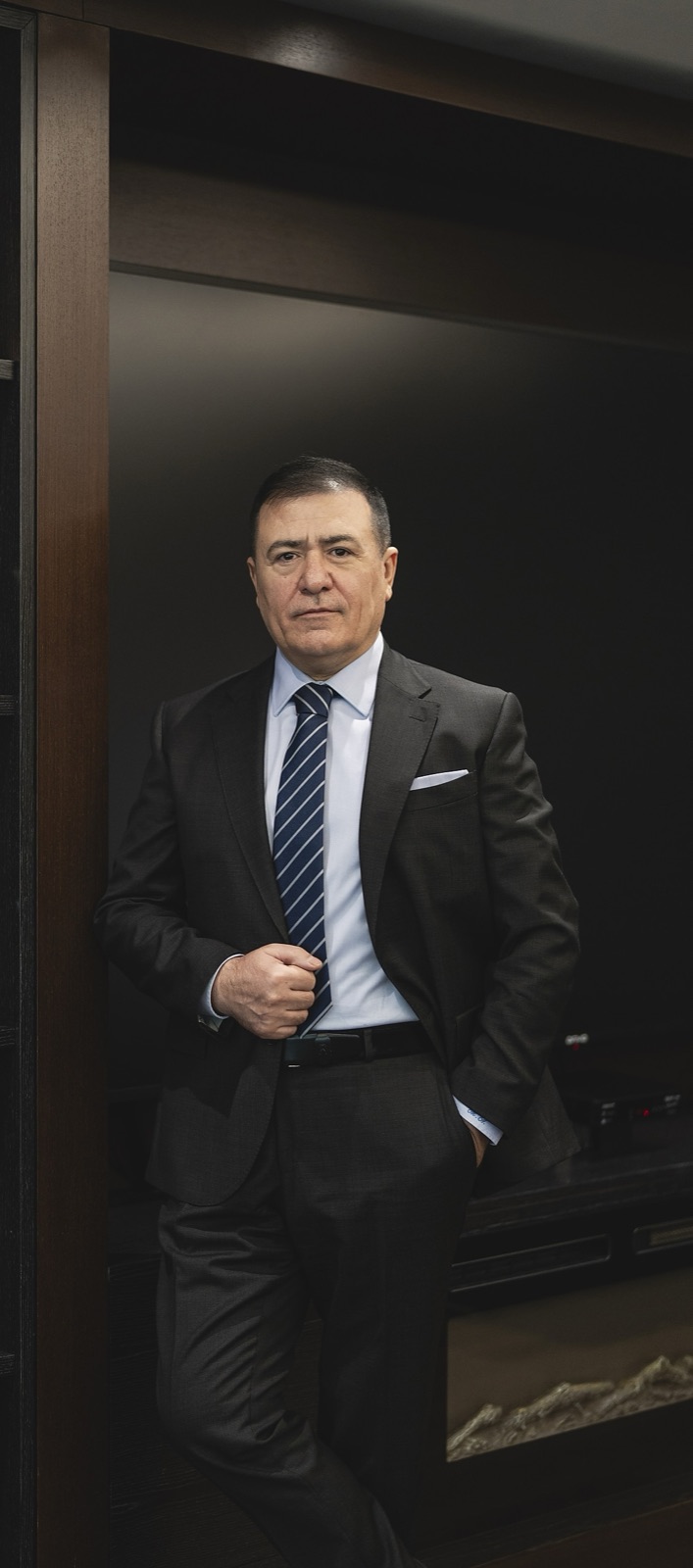
MUSTAFA AKTAŞ, CHAIRMAN OF THE BOARD OF DIRECTORS OF AKTAŞ GROUP:
“We hold a 6 percent market share in Turkey. We sell 40 percent of our products in the domestic market and export 60 percent. Our goal is to increase the share of our exports to Europe, the Far East, the Americas, and Latin American countries to 75 percent.”
EXPORTS TO OVER 100 COUNTRIES ACROSS 5 CONTINENTS
REXOIL COMPETES WITH GLOBAL GIANTS
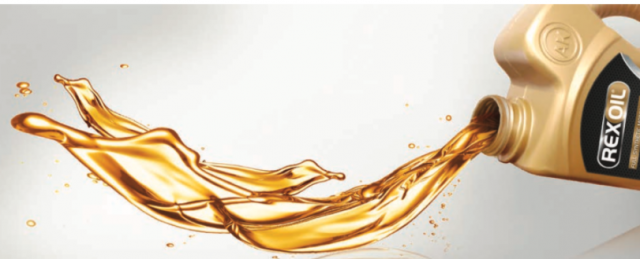
Rexoil, Aktaş Group’s new-generation motor oil brand, is exported to more than 100 countries. Rexoil, Turkey’s domestic and national brand competing with global giants such as Shell, BP, ExxonMobil, Lukoil, Total, and Petrol Ofisi, has set a record by ranking among the top 5 in lubricant exports for seven consecutive years.
EXCLUSIVE INTERVIEW: BILAL KOÇAK
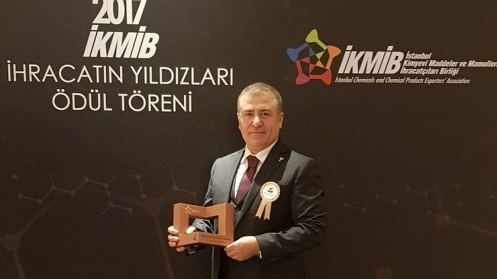
Aktaş Group’s next-generation motor oil brand, Rexoil, is exported to more than 100 countries. Rexoil, Turkey’s domestic and national brand competing with global giants such as Shell, BP, ExxonMobil, Lukoil, Total, and Petrol Ofisi, has set a record by ranking among the top five in lubricant exports for seven consecutive years. Rexoil, Turkey’s domestic and national motor oil brand—which Aktaş Group Chairman of the Board Mustafa Aktaş built from the ground up to reach the top— has once again been recognized by the Istanbul Chemicals and Chemical Products Exporters’ Association (IKMIB) by ranking among the top five in the “Lubricants Exports” category of its annual “Stars of Export” awards. We spoke with Mustafa Aktaş, Chairman of the Board of Directors, about the success of Rexoil, Turkey’s domestic and national motor oil brand, and the activities of the Aktaş Group.
EXPORTER OF THE YEAR
Mr. Aktaş, you received the “Exporter of the Year” award again this year at the “Stars of Export” Awards Ceremony organized annually by the Istanbul Association of Exporters of Chemical Products and Goods (IKMIB). We’d like to start our interview by discussing this achievement—what would you like to say?
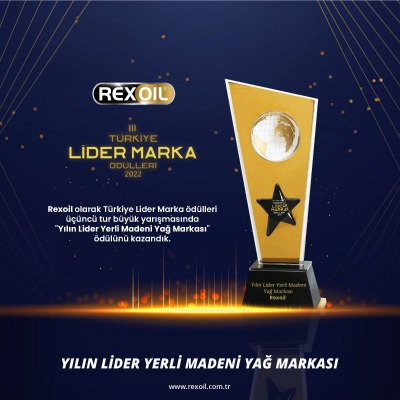
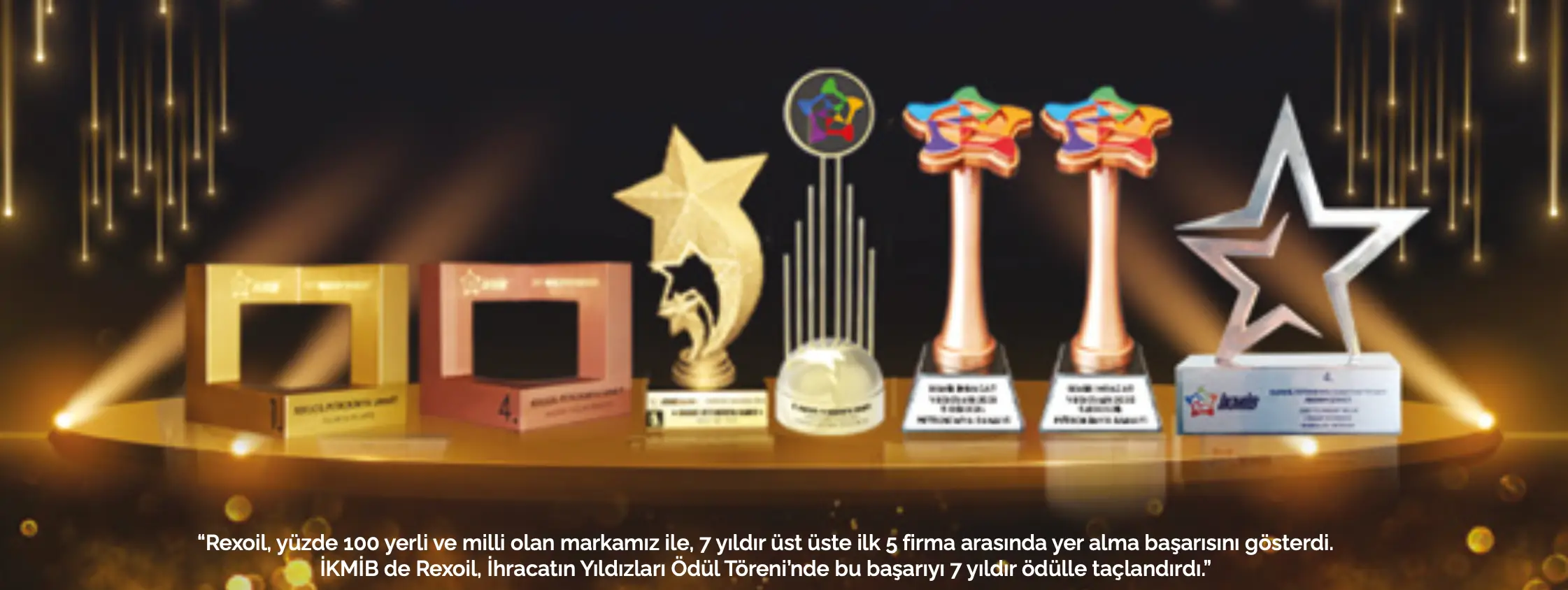
In the export of next-generation motor oils, we compete with global giants such as Shell, BP, ExxonMobil, Lukoil, Total, and Petrol Ofisi. As Rexoil, with our 100% domestic and national brand, we have achieved the distinction of ranking among the top 5 companies for seven consecutive years. IKMIB has also recognized this achievement by honoring us with an award at the “Stars of Export” Awards Ceremony for the past seven years. We are honored and proud. I would like to thank all my team members who contributed to this achievement. Of course, we are engaged in intense competition with the world’s largest motor oil producers in a challenging industry. Our goal is to transform Rexoil, Turkey’s national brand, into a global brand. I also feel it is my duty to thank the IKMIB executives who deemed us worthy of this award.
‘THE RIGHT PRODUCT, QUALITY SERVICE’
Could you tell us the story of how Aktaş Group was founded?
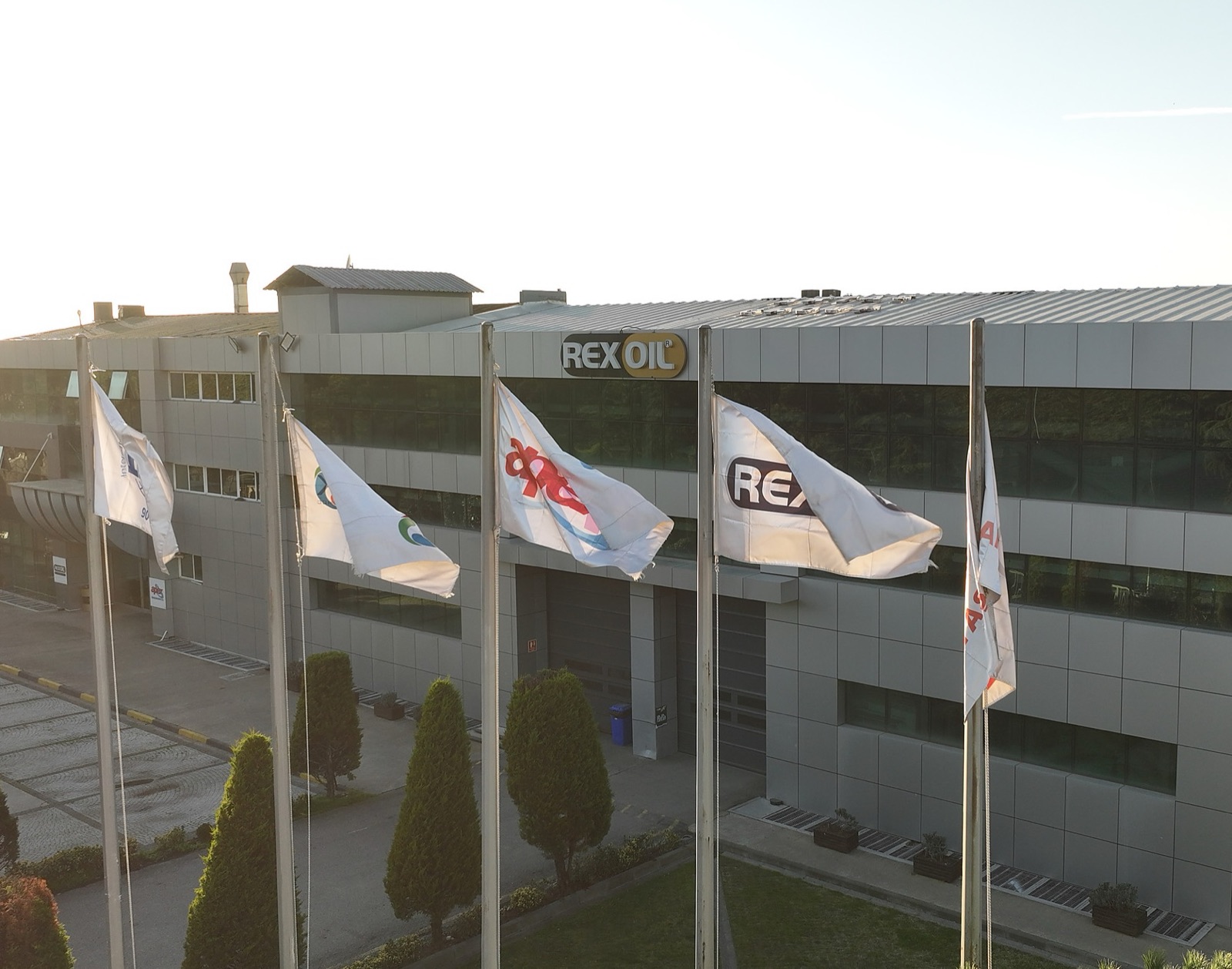
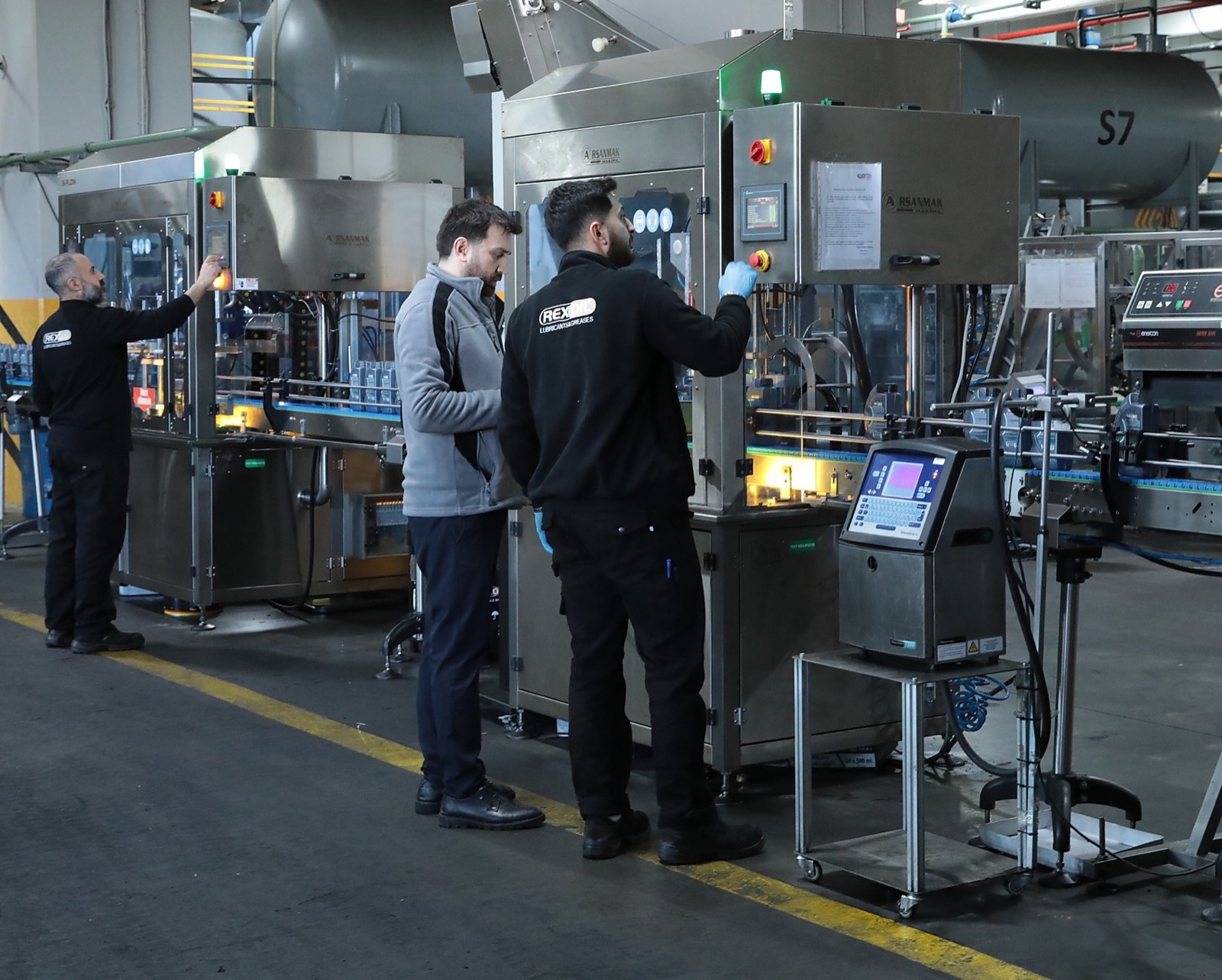
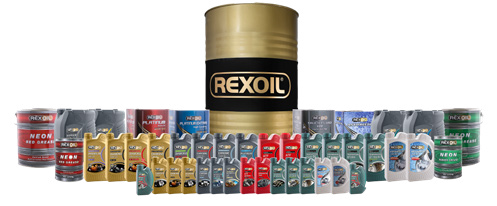
The foundations of Aktaş Group were laid in the early 1990s. Originally established for the international trade of petrochemical products, Aktaş Group—which includes Aktaş Kimya Dış Ticaret Limited Şirketi—has since expanded to include new companies and brands with the goal of not only supplying products but also becoming a manufacturer in its sector. To this end, we established and launched Reksoil Petrochemicals Inc. Under this company, we began producing motor oil under the Rexoil and Apex brands. We carry out our production at our facilities in the Tuzla Organized Industrial Zone, which have a total enclosed area of 15,000 square meters. Our facilities have a production capacity of 70,000 metric tons of motor oil per shift. Rexoil, the Group’s flagship brand, has established its position in the market with product groups comprising automotive oils, industrial oils, process oils, greases, and marine oils. As we set out on this journey, I am delighted to have once again proven our philosophy of “The right product, quality service” through the awards we have received.
“WE PRODUCE NEXT-GENERATION ENGINE OIL”
As Aktaş Group, our entry into the industry began with the buying and selling of petroleum and chemical-based lubricants. At that time, we secured the Turkish representation for Lukoil’s base oil division. I recognized that there was strong demand for this product in Turkey and that significant opportunities would arise if a reliable, high-quality, and uninterrupted supply could be sustainably provided to the market. Over time, I identified a need in Turkey for local producers and manufacturers to produce high-value-added lubricants, with base oil as the primary input. Based on this foresight, we founded Reksoil Petrochemical Inc. in 2004 and began producing our Rexoil-branded motor oil at our facility in the Tuzla Birlik Organized Industrial Zone. Later, we created the Apex and Auster brands. Under these three brands—all registered with WIPO on both a domestic and global scale—we produce new-generation lubricants in various weights and packaging sizes.
“WE EXPORT TO OVER 100 COUNTRIES ACROSS 5 CONTINENTS”
Do you sell the products you manufacture primarily in the domestic market or through exports?
Currently, 60 percent of our products are destined for the export market, and 40 percent for the domestic market. We export to more than 100 countries across 5 continents worldwide. Domestically, we have a dealer network serving all 81 provinces. We also market our products in the countries we export to through our local dealers there.
“WE AIM TO INCREASE THE VOLUME OF OUR EXPORTS”
What are your export goals?
We aim to increase the share of exports in our total sales and raise it to 75 percent by the end of 2025. We also want to further expand our existing trade with the Turkic Republics, the Far East, and Latin American countries. Rexoil’s lubricant technology is continuously developed in its R&D laboratories in Istanbul. By closely monitoring developments in the lubricants sector both in our country and around the world, Rexoil offers its customers hundreds of varieties of superior-quality products.
Rexoil adopts a human resources approach that prioritizes employee development to keep pace with the changes in today’s world. With the mission of producing high-quality goods and services, Rexoil continues to maintain its leadership in the sector by closely following technological advancements and making new investments, all with the goal of increasing employment and contributing to our country’s sustainable development. We aim to grow our market share by increasing our capacity utilization rate through our technology, talent, and values.
“Rexoil has a human resources approach that prioritizes employee development to keep pace with the changes in today’s world.”
You compete with global companies in your industry. Are there any forms of support that could help propel you forward? Or are there unresolved issues that you’d like to see addressed?
As an industrialist and domestic manufacturer, there is a common view shared by investors across various sectors—one that they frequently voice. It concerns the competitive imbalance between importing and selling versus investing capital, creating jobs, and producing goods to sell. As you know, domestic manufacturers or companies engaged in contract manufacturing in Turkey are required to obtain a license from the Energy Market Regulatory Authority (EPDK). To obtain this license, they must secure production and product conformity certificates from the Turkish Standards Institute (TSE). However, since there are no such obligations imposed on importers, competing becomes extremely difficult for domestic producers like us. In short, while domestic production should be increasing, imported products from abroad are becoming more attractive.
“MANUFACTURERS SHOULD BE SUPPORTED MORE DURING THIS PERIOD”
It’s truly difficult to be an investor or manufacturer in a market where exchange rates and interest rates are rising. What are your thoughts on this? How do you assess the future of the Turkish economy?
Previously, as a company, we were involved in buying and selling products, and we made more money from that business. However, I started manufacturing with the aim of contributing to employment in my country. My primary goal is not to make money. The more people I can provide with jobs and a livelihood, the happier I am. We’re also contributing by bringing foreign currency into our country. Our company, in particular, takes a stance that prioritizes protecting jobs. Throughout this process, we have not laid off any workers, nor have we caused our employees to suffer any loss of income. I believe that industrialists and businesspeople need more support. I am confident that economic incentives provided to us will ensure continuity in production, which will in turn have a positive impact on exports.
“TURKEY IS MOVING TOWARD BECOMING A GLOBAL PLAYER IN THE LUBRICANTS SECTOR”
Could you share your assessment of the global and Turkish lubricants sectors?
The global lubricants market is valued at around 150 billion U.S. dollars. It is a market of approximately 37 million metric tons. International forecasts indicate that this figure will reach around 180 billion dollars by 2030. In other words, over the next 6–7 years, we are likely to see a slowdown rather than significant percentage-based growth. The Turkish lubricants market, meanwhile, has grown by approximately 20 percent compared to the previous year, reaching 700,000 metric tons. The development of our sector—which serves as the driving force behind our country’s exports—is at a truly commendable level. Within the chemical sector—which accounts for 14 percent of our country’s exports with a value of $30.6 billion—the lubricants and mineral fuels sector saw a 180 percent increase in exports compared to the previous year. However, we anticipate a stagnation in demand in 2024.
How will the gradual replacement of gasoline- and diesel-powered vehicles with electric vehicles affect the mineral oils and mineral fuels sector in the coming period?
Vehicle lubricants, which account for a significant portion of total lubricant consumption, will see a decline in consumption both globally and locally as the number of internal combustion engine vehicles decreases and hydrogen- and electric-powered vehicles gain traction. Electric vehicles have fewer moving parts compared to internal combustion engine vehicles. They do not require engine oils, transmission fluids, or other traditional automotive lubricants. Although the number of electric vehicles in our country remains low relative to the total number of vehicles on the road, the growth rate within this segment is extremely high. We can see this from the increase in the number of electric vehicles entering traffic. While 14 out of every 1,000 vehicles registered in 2022 were electric, 7 out of every 100 vehicles were electric in 2023. On the other hand, the use of long-lasting, environmentally friendly, and bio-based lubricants during the green transition will impact the development of our industry within the framework of national and international regulations.
So, what exactly is REXOIL doing in this regard, and what are your goals and projects?
Within the framework of the green transition vision, we possess a strong team spirit that delivers sustainable, innovative, reliable, solution-oriented, and uninterrupted service. We are conducting joint projects and studies with regulatory authorities, universities, and academics—who serve as thought leaders—on topics such as occupational health and safety, environmental safety, carbon footprint, the green transition, and digital transformation.
“We are establishing an R&D and technology hub”
At our Rexoil Factory, we will launch a laboratory investment—which we describe as an R&D and technology hub—in 2024, utilizing the latest technologies. With the high-value-added and eco-friendly products we develop here, we will serve our customers
“Rexoil, with our 100% domestic and national brand, has achieved the distinction of ranking among the top 5 companies for seven consecutive years. IKMIB has also recognized this achievement by awarding Rexoil at the ‘Stars of Export’ Awards Ceremony for seven consecutive years.”